RoleFounding Design Lead
ClientMemorAIz
Year2024-2025
ScopeEd-tech products, AI
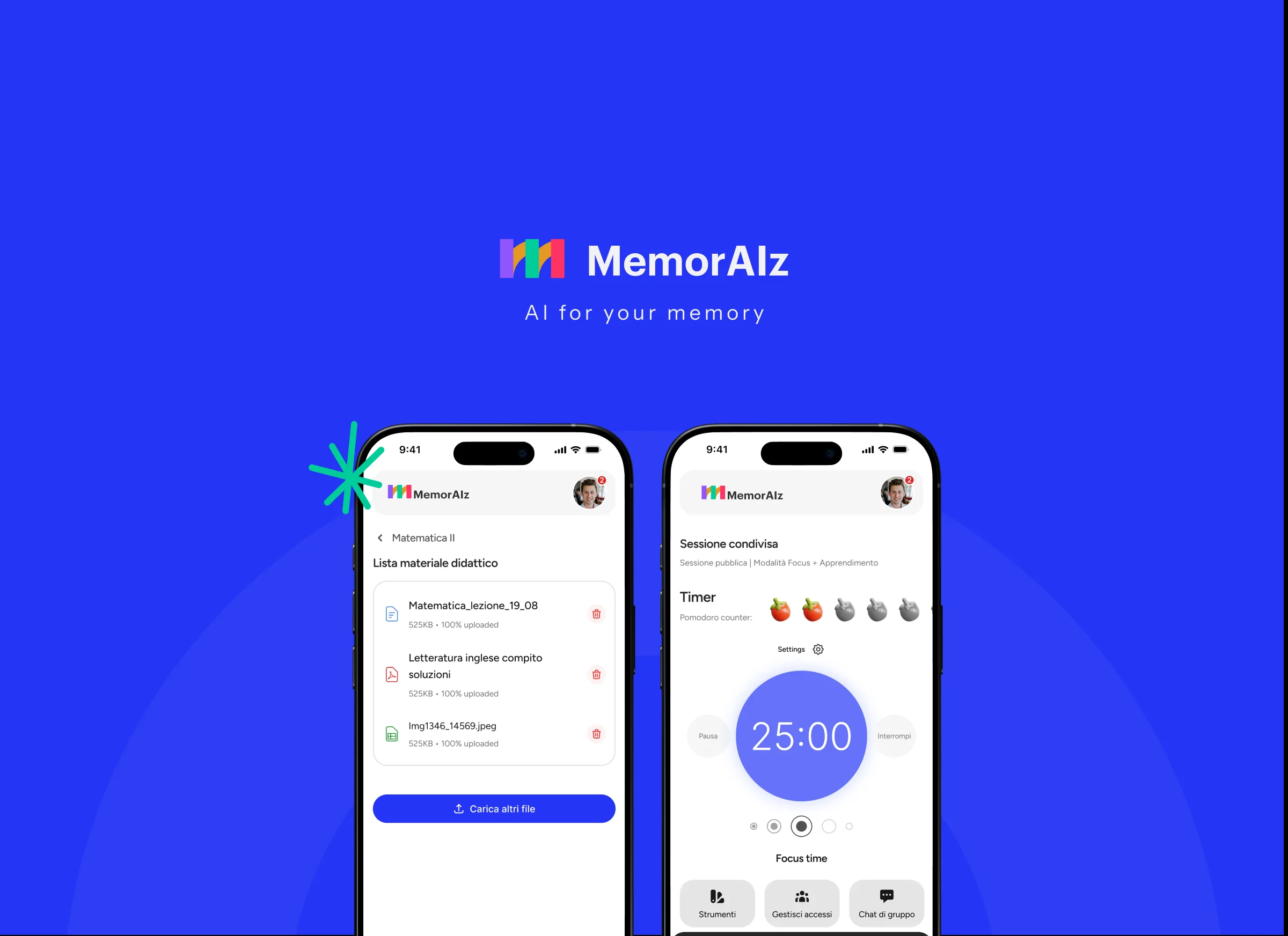
MemorAIz is an AI startup: for B2B clients, it designs AI-powered learning experiences to plug into their own products; for B2C, it builds ad hoc learning experiences of its own — like the ed-tech product this case study is about.
It transforms the content people study from, such as video, handwriting, audio, complex documents and books, into mind maps, summaries, quizzes, audio summaries, audiobooks, key points and flashcards.
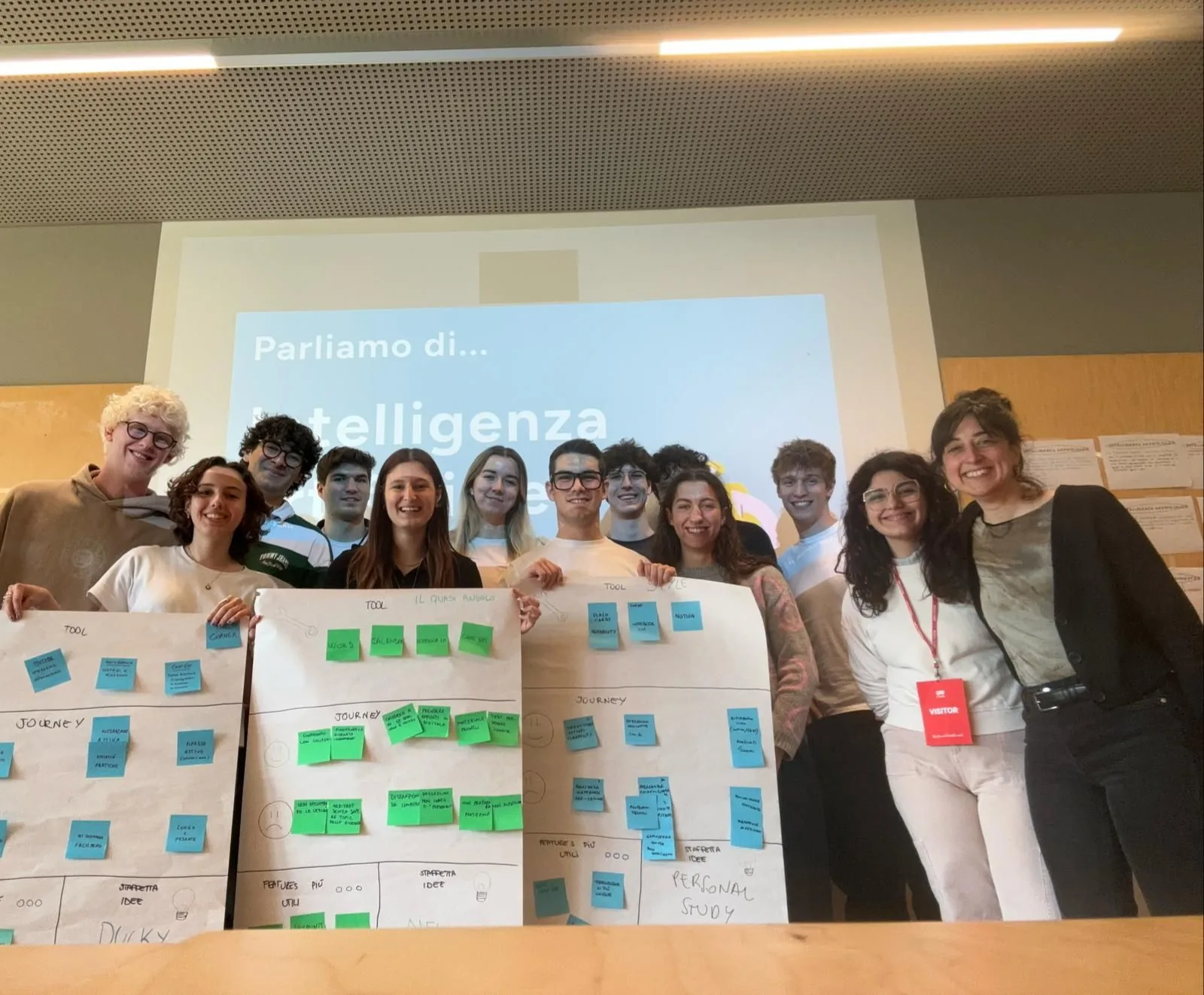
Co-design is part of how the team works with its B2B clients: for H-FARM College, for example, we ran a workshop to co-design a study tool directly with university students, testing and validating early concepts for an in-house AI tutor before building it out.
I lead its experience design and the design team, from the product strategy to the features of its core experiences.
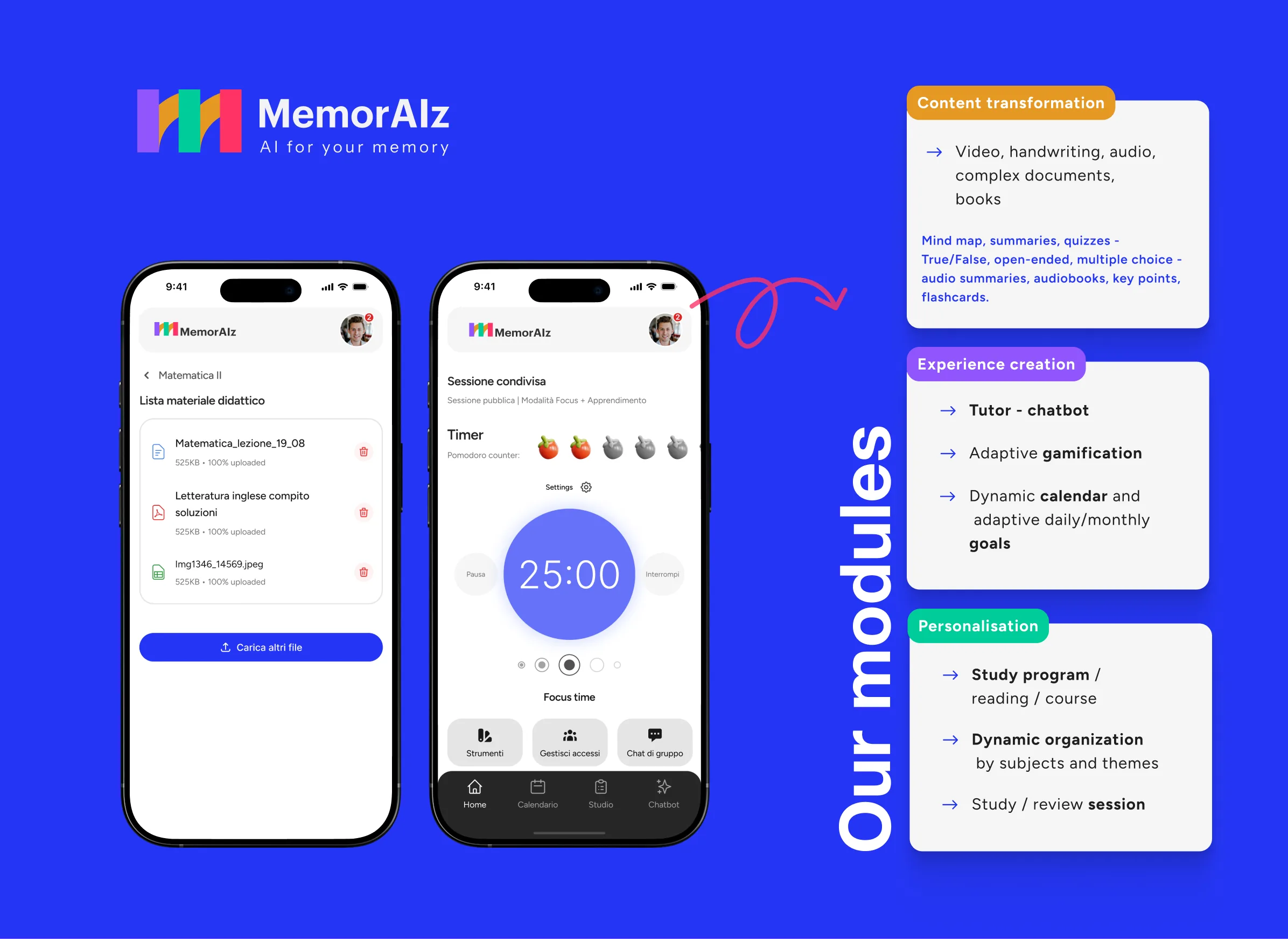
Video, handwriting, audio, complex documents, books
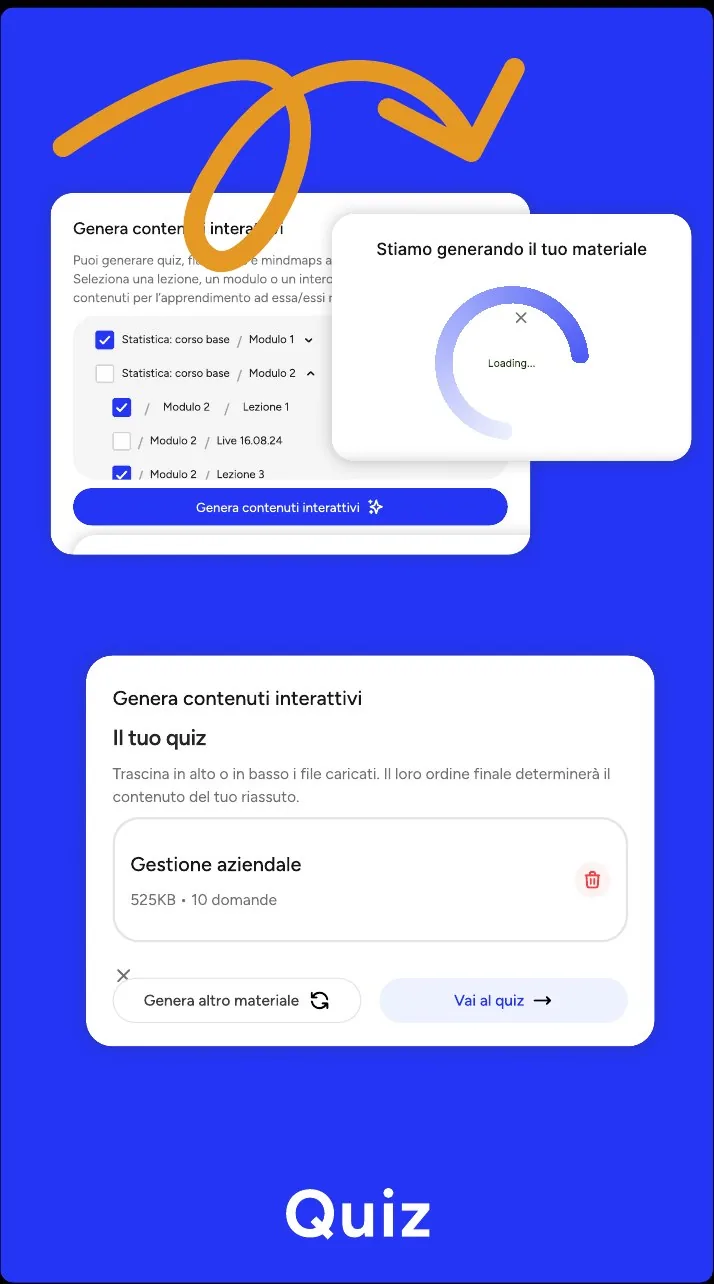
Into mind maps, summaries, quizzes (true/false, open-ended, multiple choice), audio summaries, audiobooks, key points and flashcards.
Study program, reading or course
Dynamic organization by subjects and themes
Study and review sessions
Tutor chatbot
Adaptive gamification
Dynamic calendar with adaptive daily and monthly goals
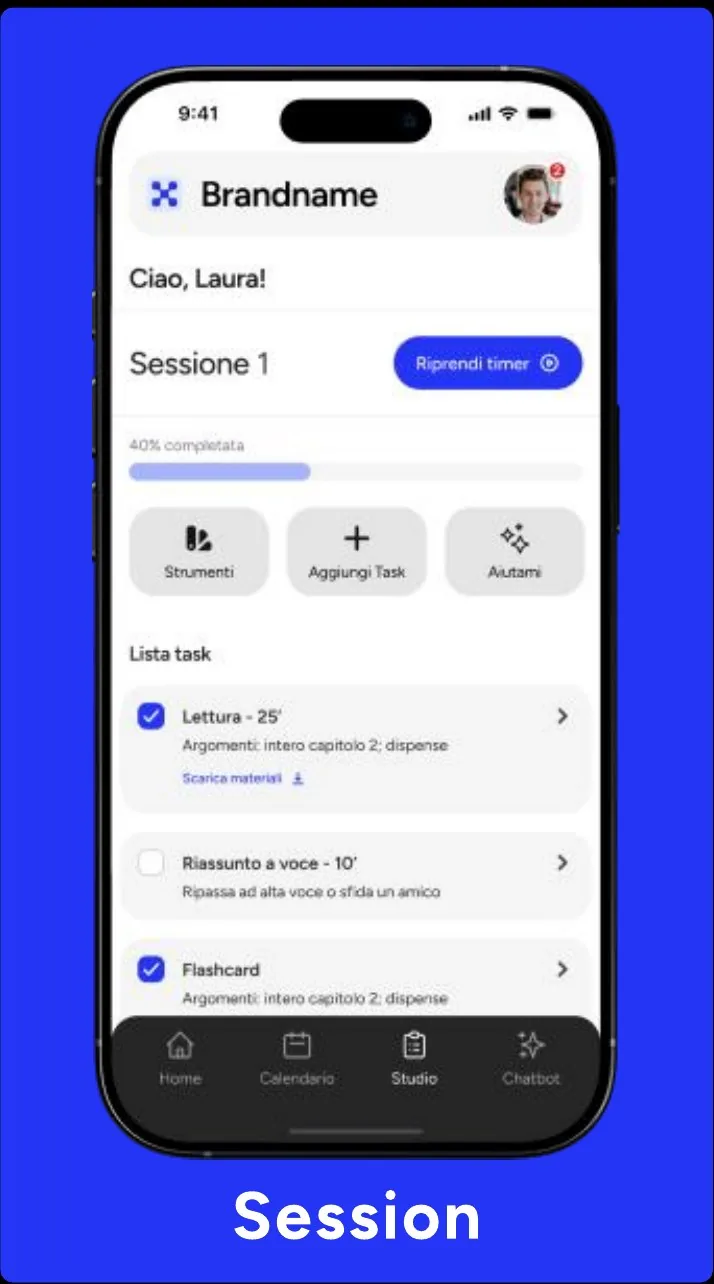
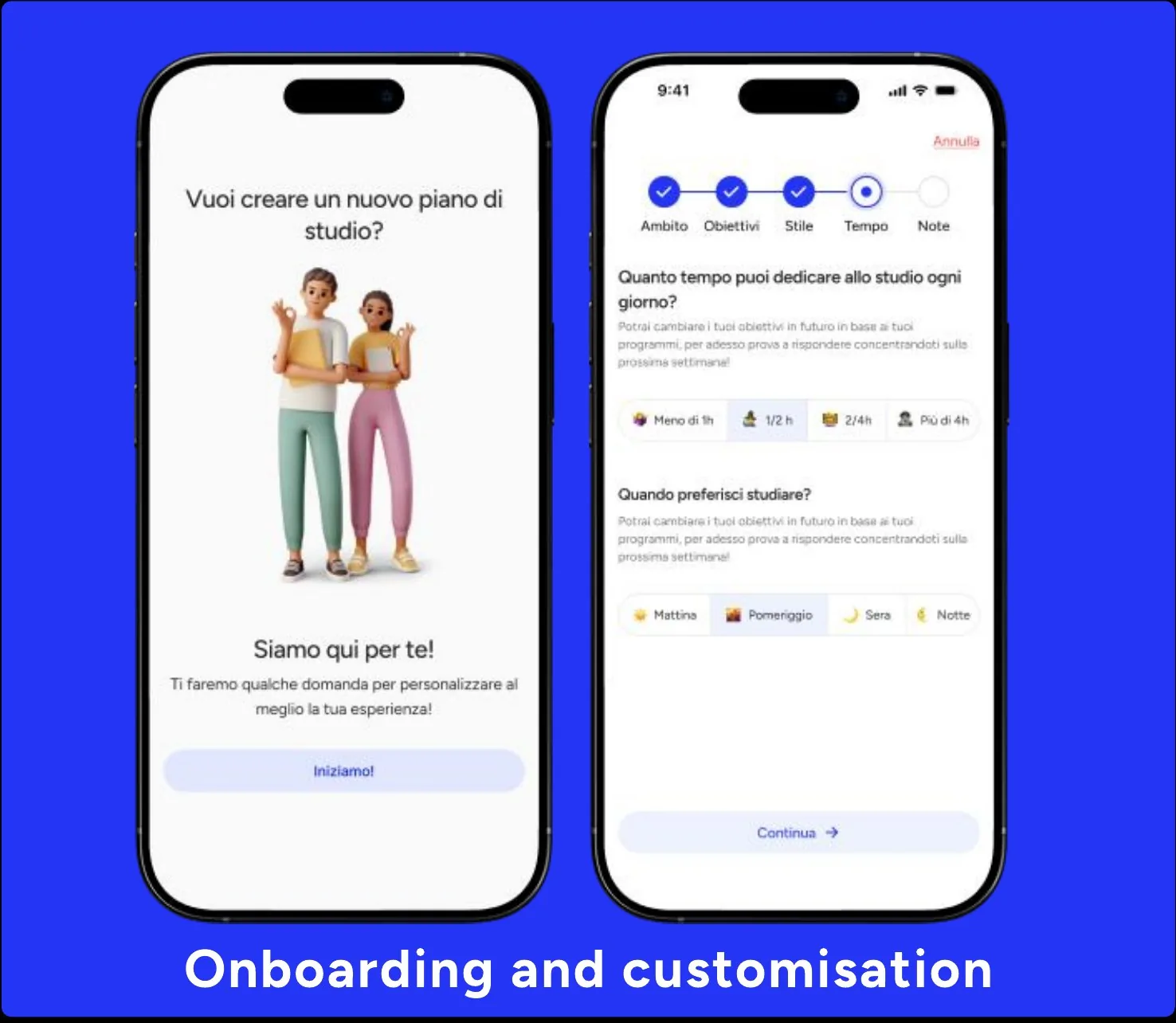
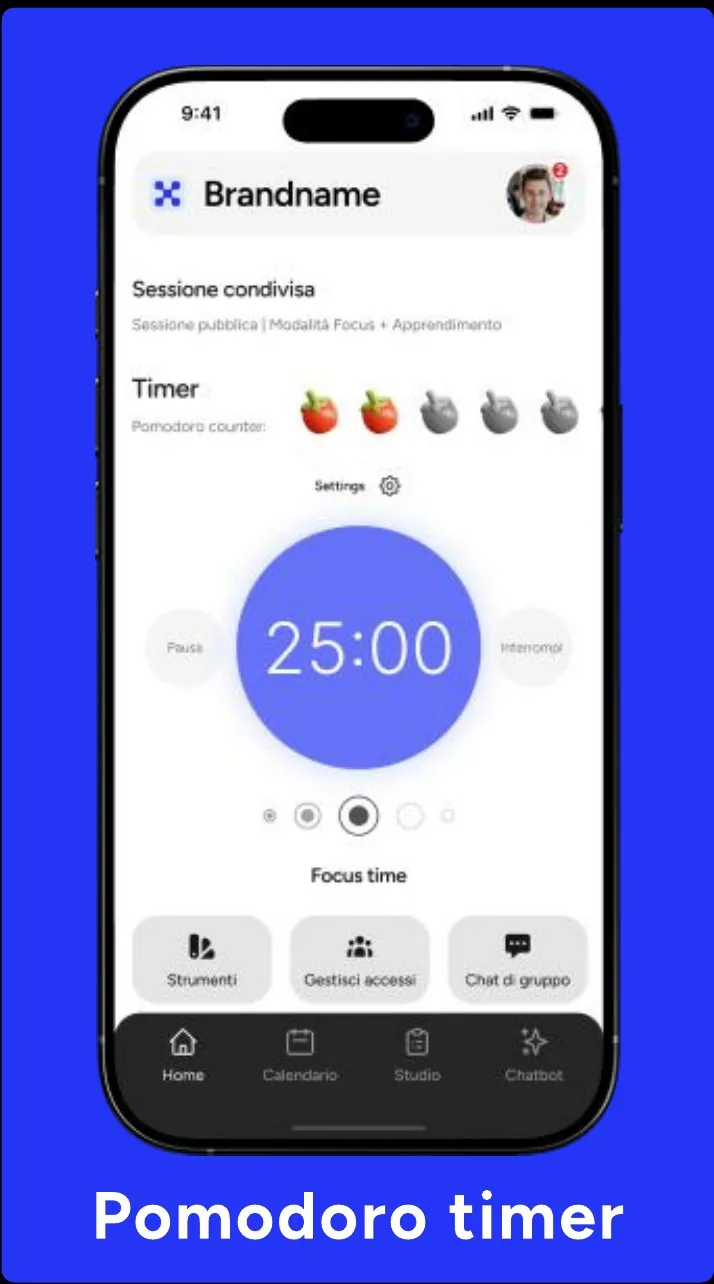
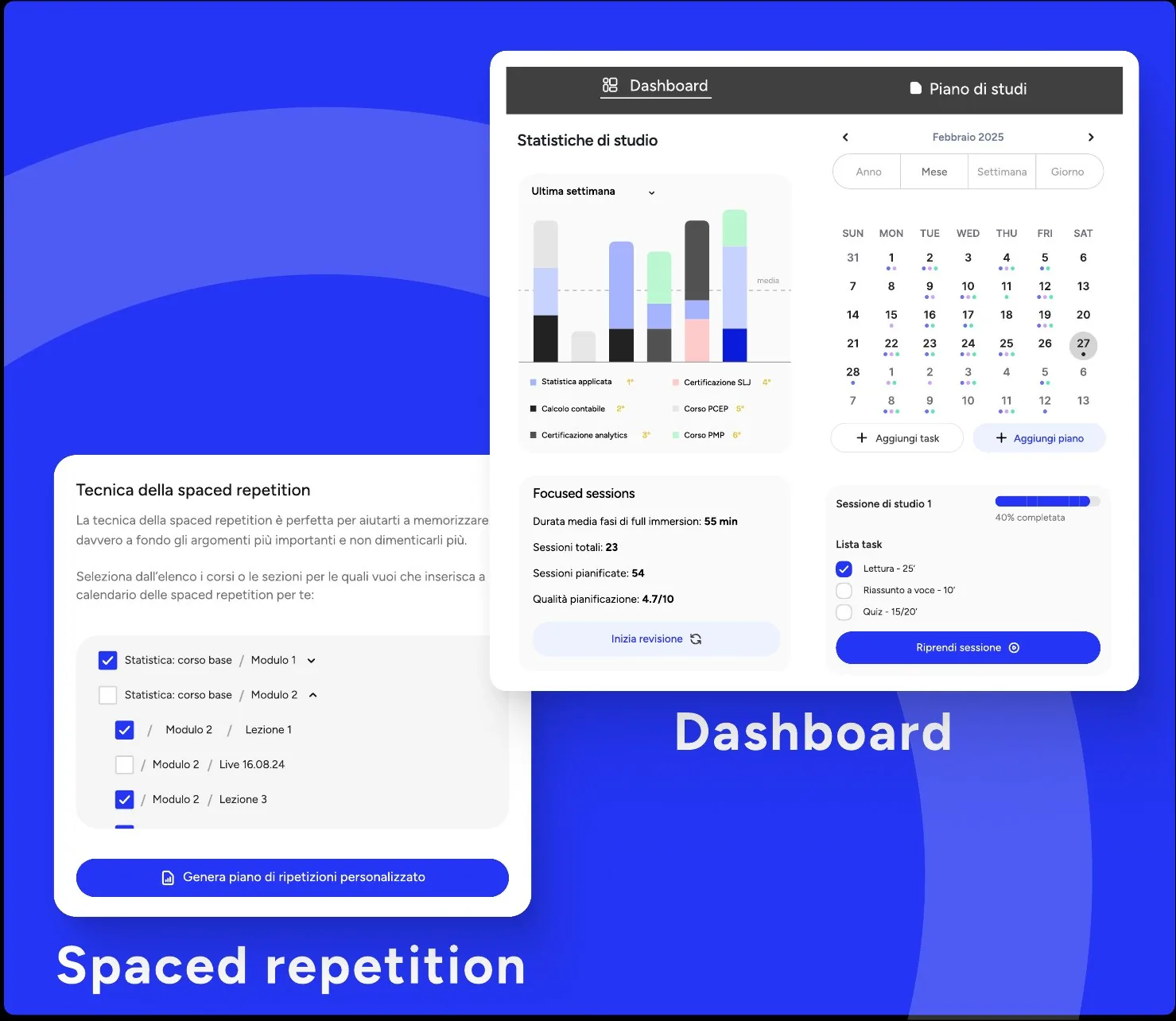
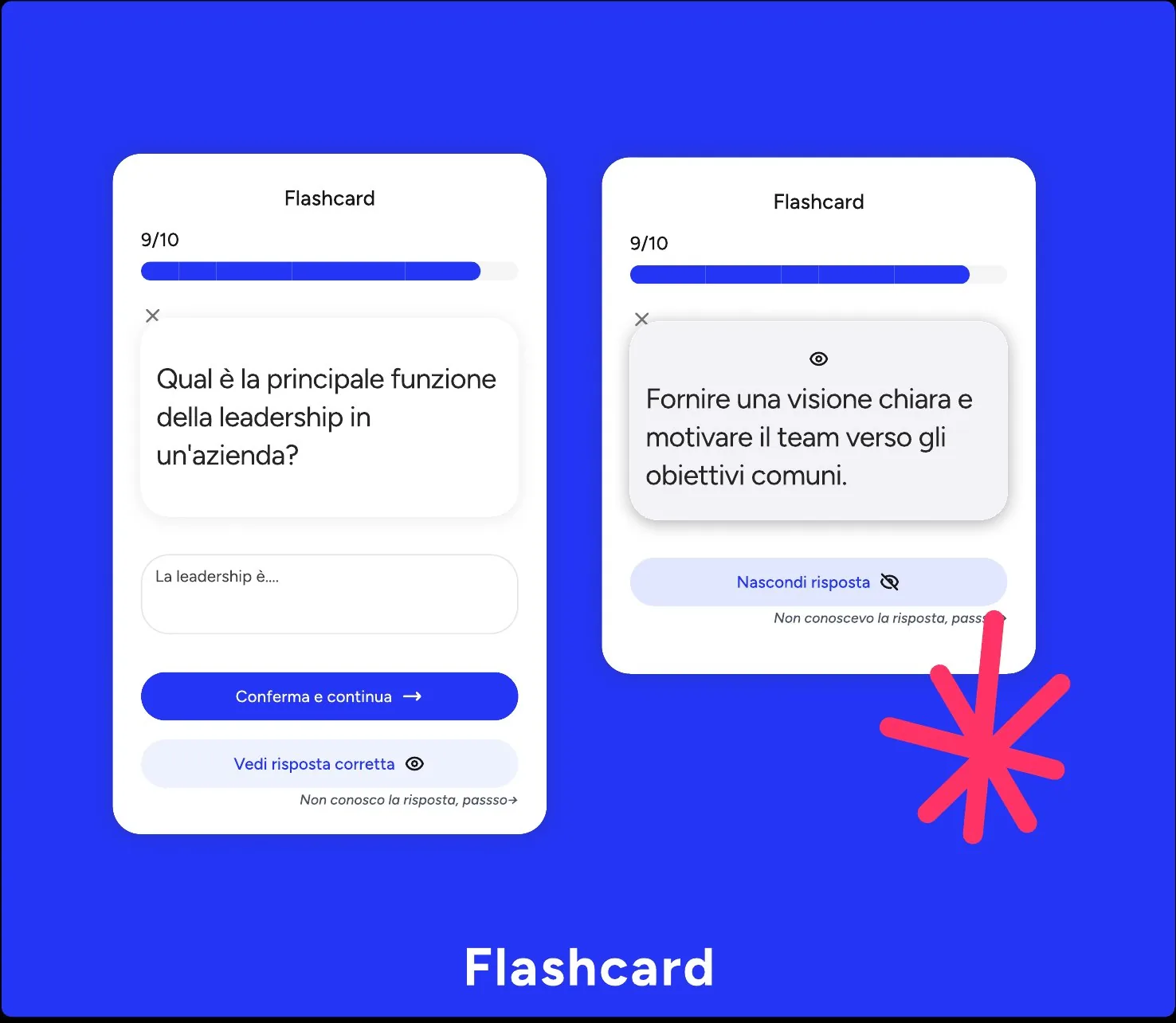
Feature definition for the core experiences, from calendar and sessions to onboarding, timer, dashboard, flashcards and quizzes.
Hired and mentored a team of 3+ designers, 2024–2025.
Product strategy definition, roadmap and sprint planning.
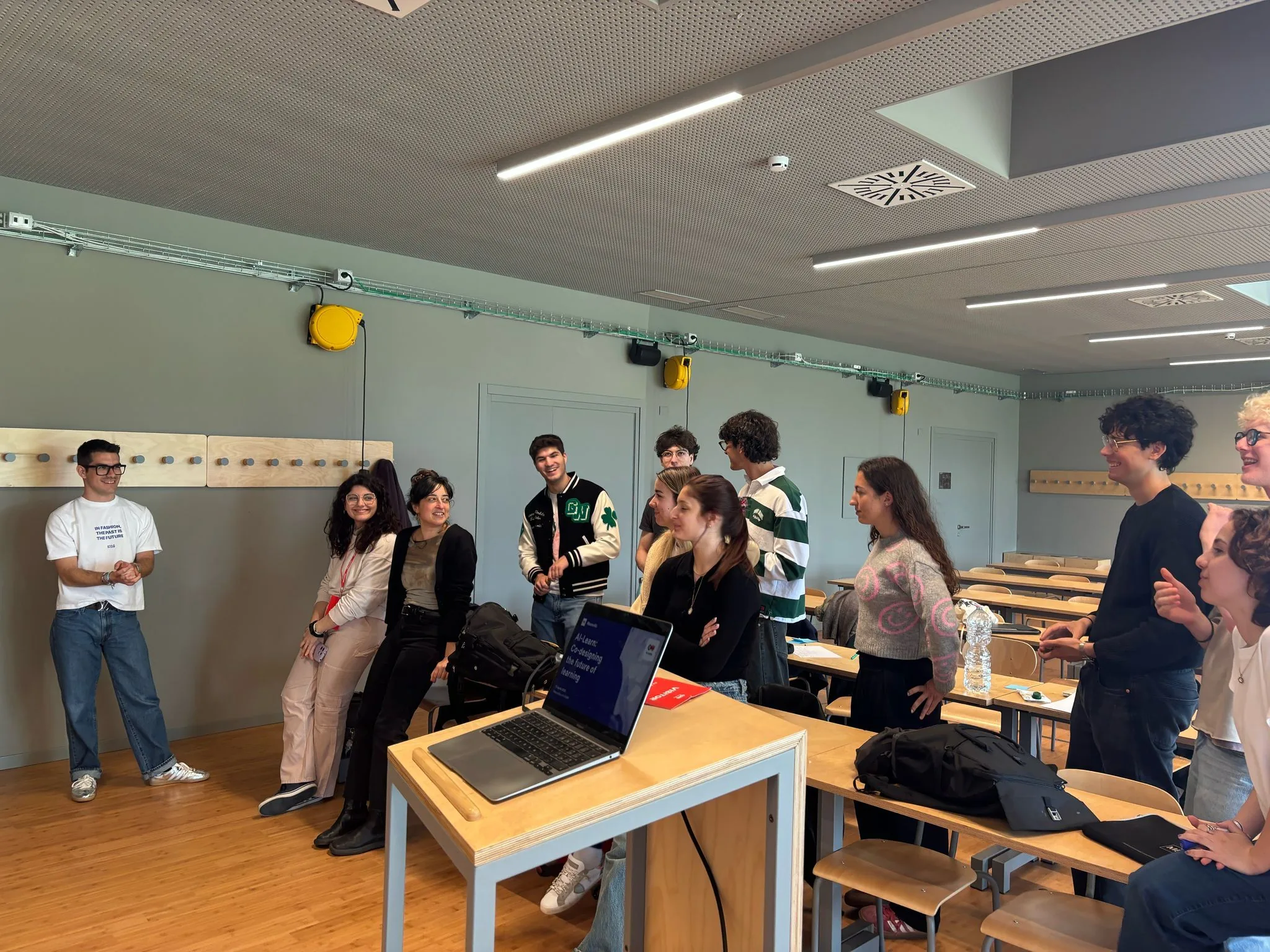
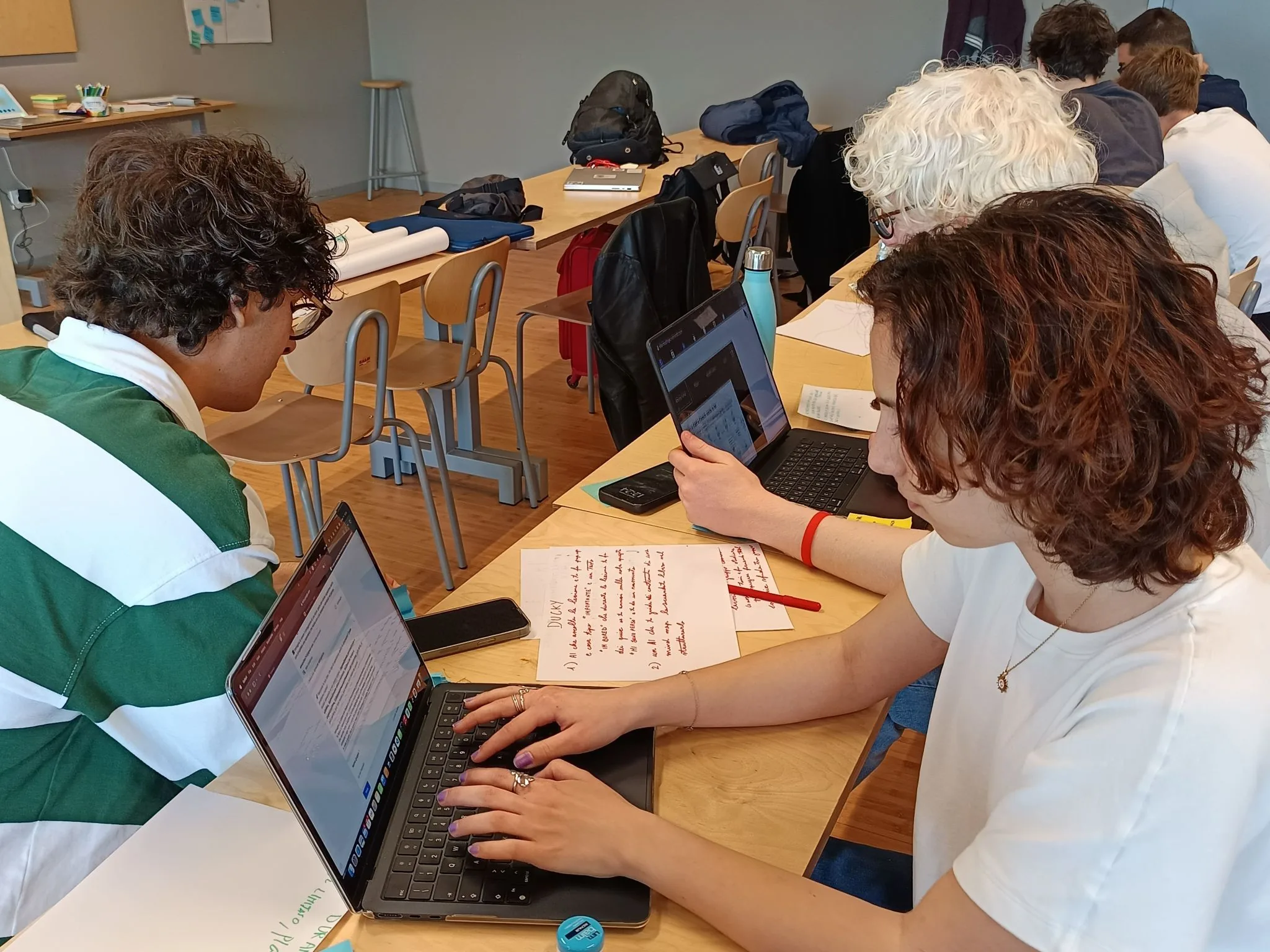
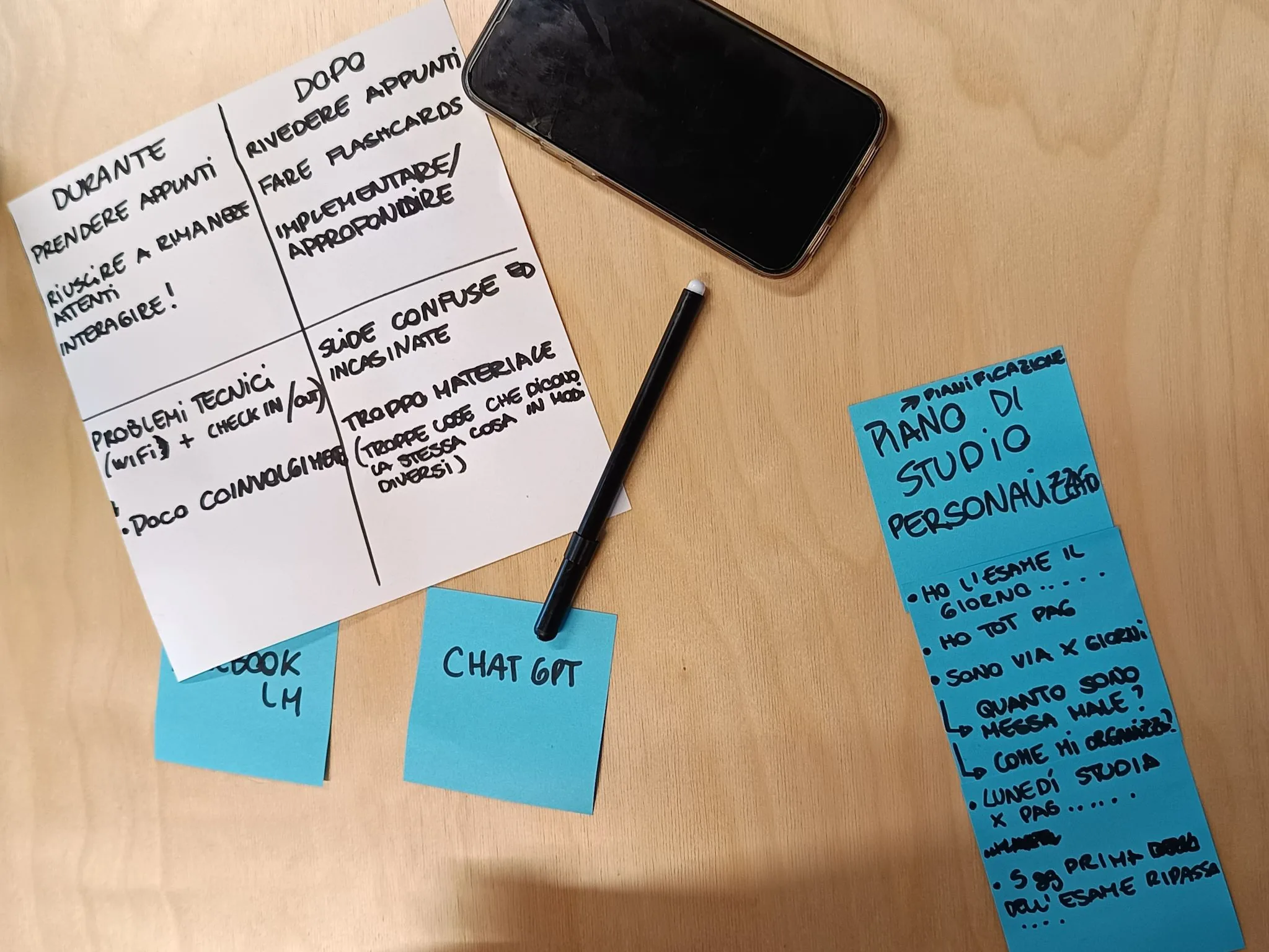
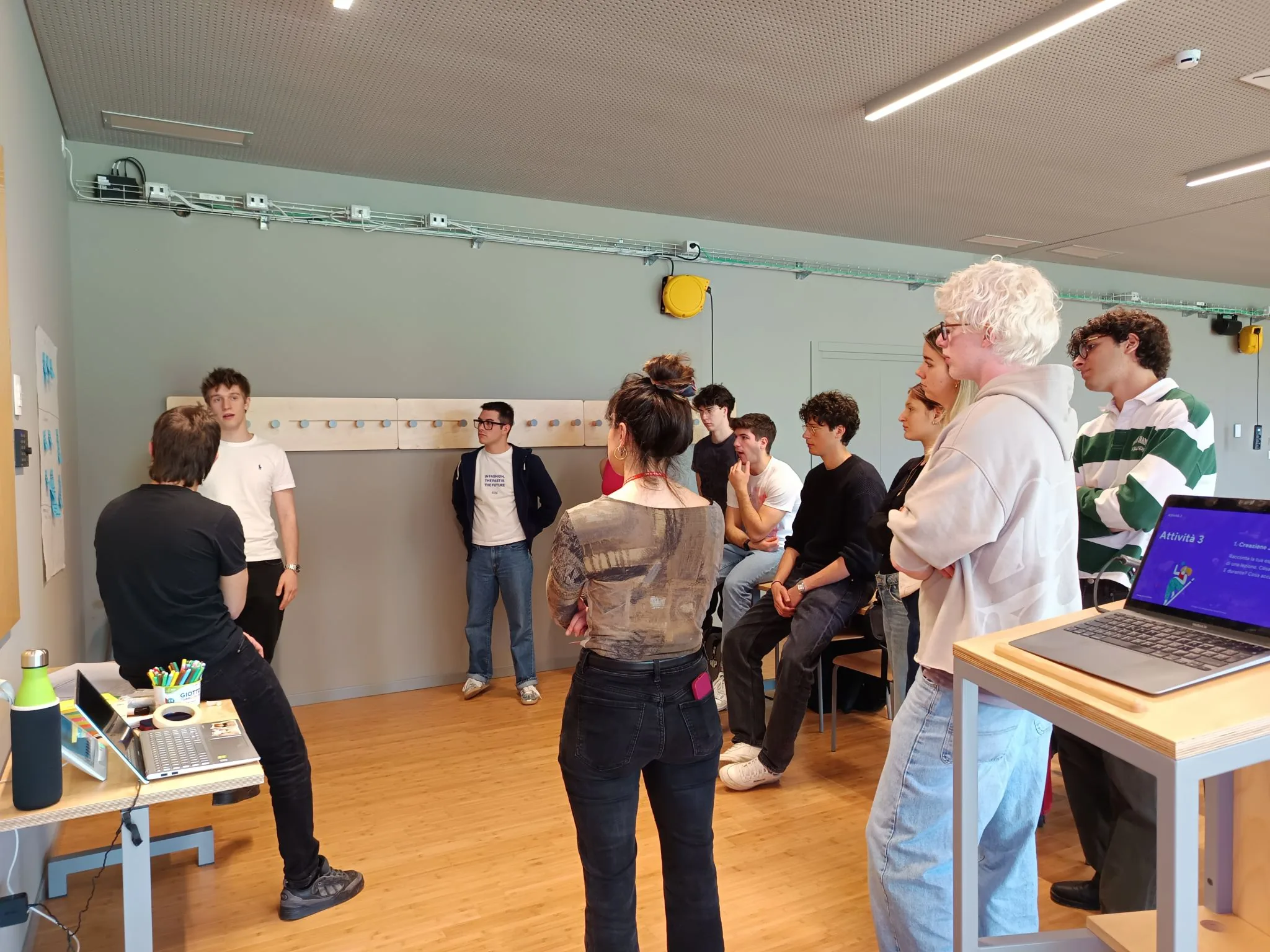
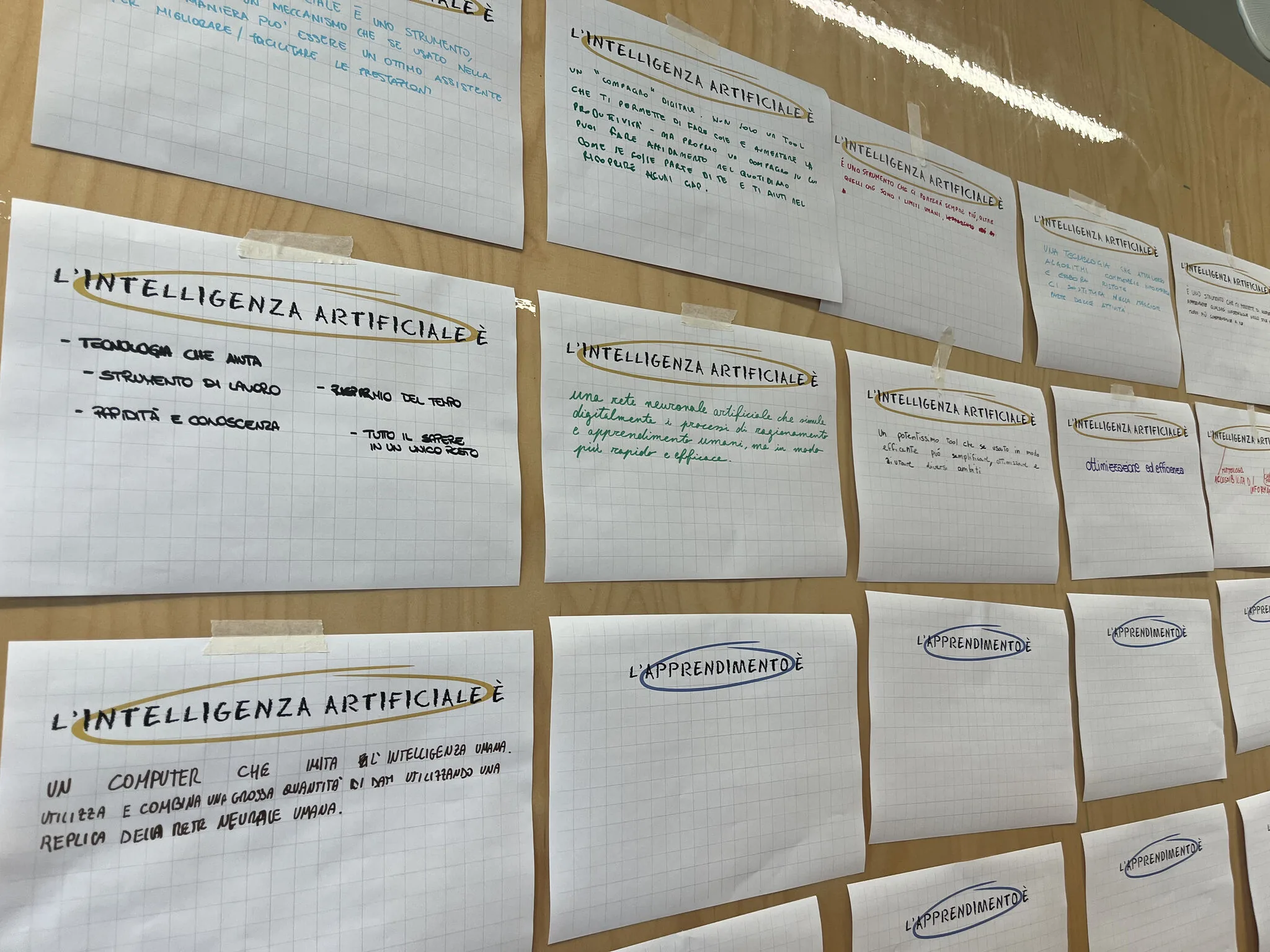
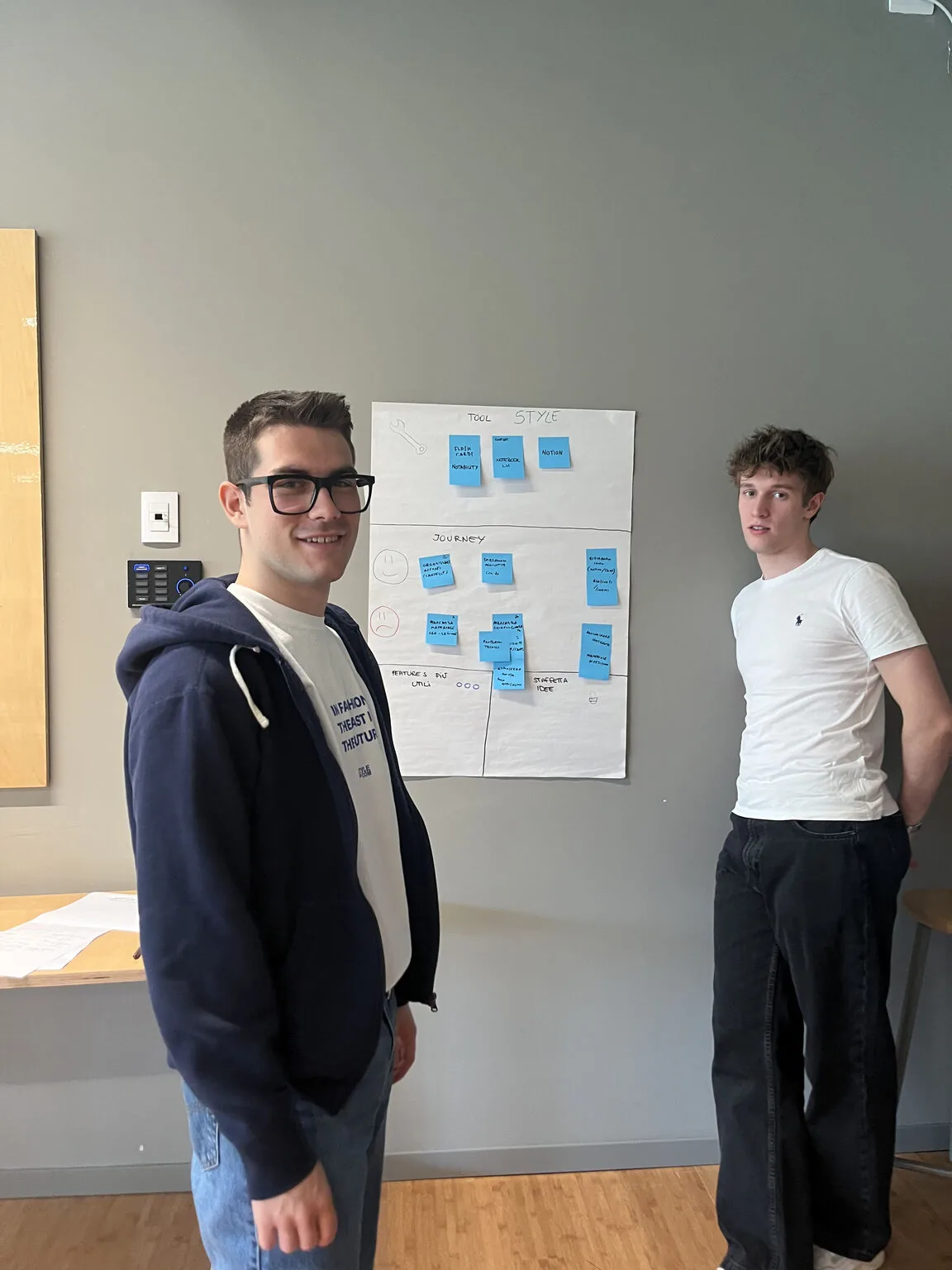
Students from different university degree programs at H-FARM College took part. The goal: validate early concepts for an AI tutor we were developing in-house, by exploring them directly with students.
Using design thinking methods, we guided the group through key questions around adopting AI tools, how they fit into everyday study processes, and into ideating new, creative approaches to learning.
Many insights and reflections came out of it — a reminder of how important it is to involve students directly in shaping how they engage with the AI shift already reaching education, and useful validation for the AI tutor concepts we were exploring.
The strategy deck walks through context, competitors and differentiation, features and products, use cases, goals and next steps. Here, two pages from the features and products section.
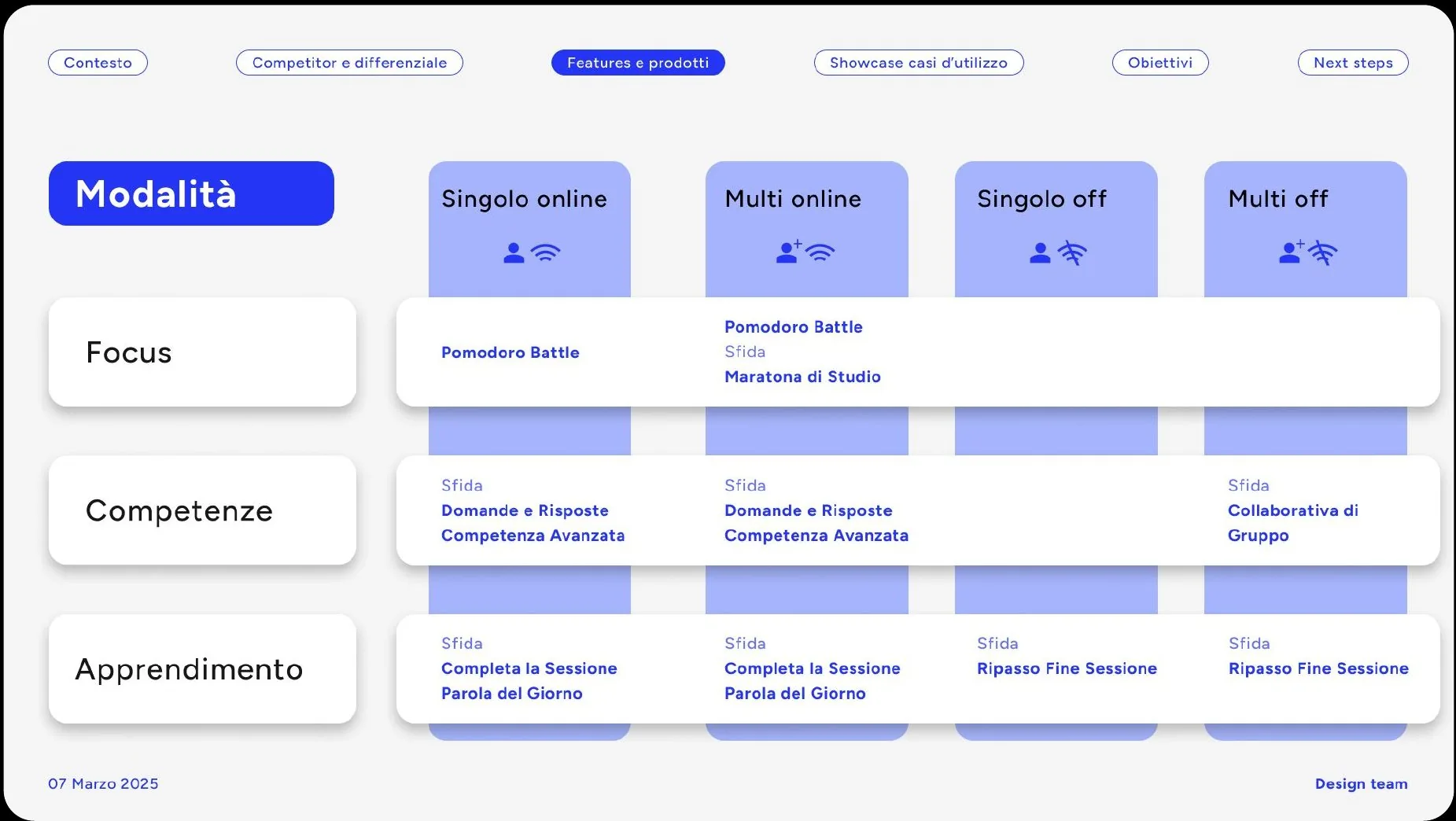
Modes: focus, skills and learning, each mapped to single or multi user, online or offline.
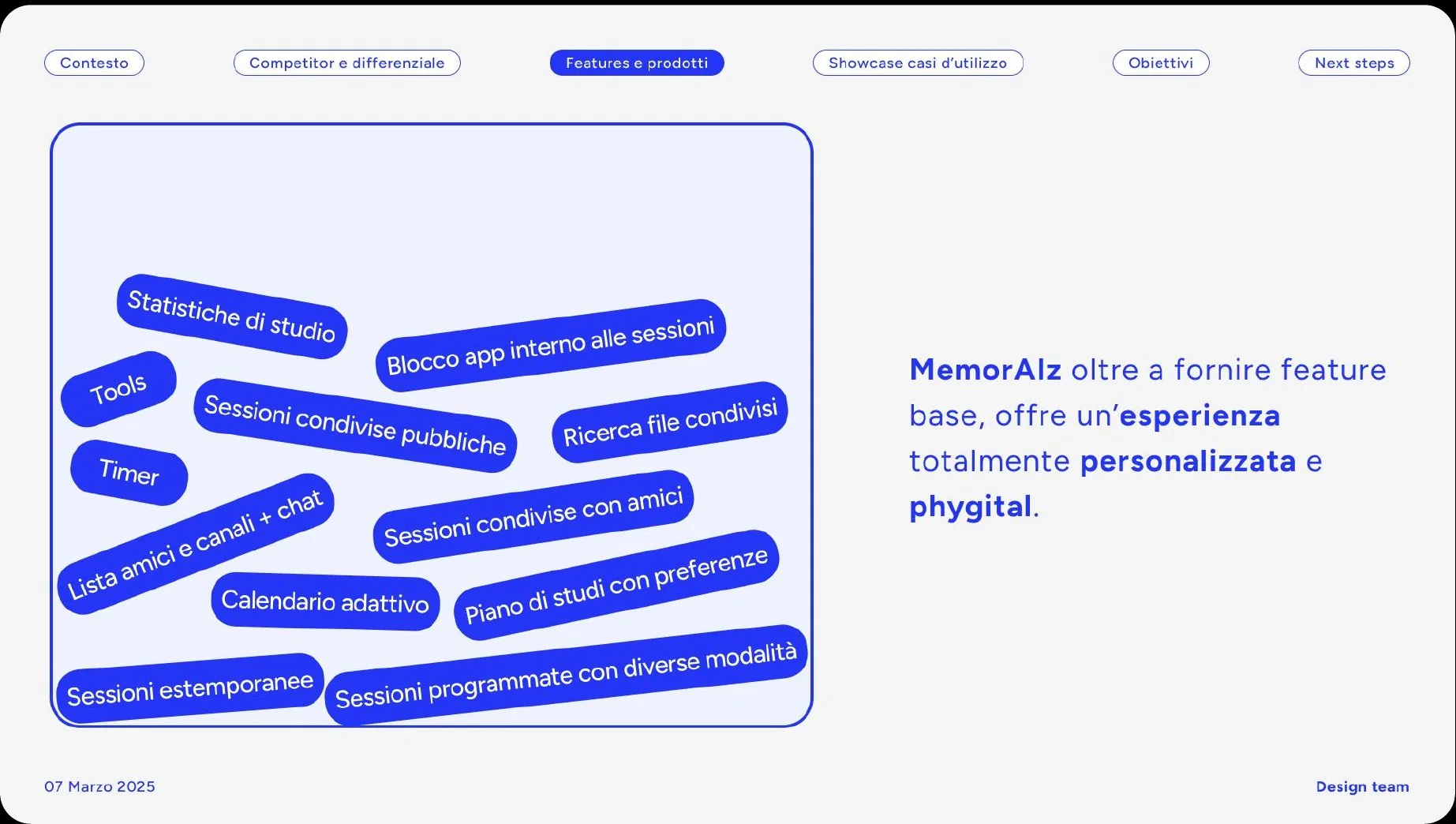
The feature set: beyond the base features, a fully personalised and phygital experience.
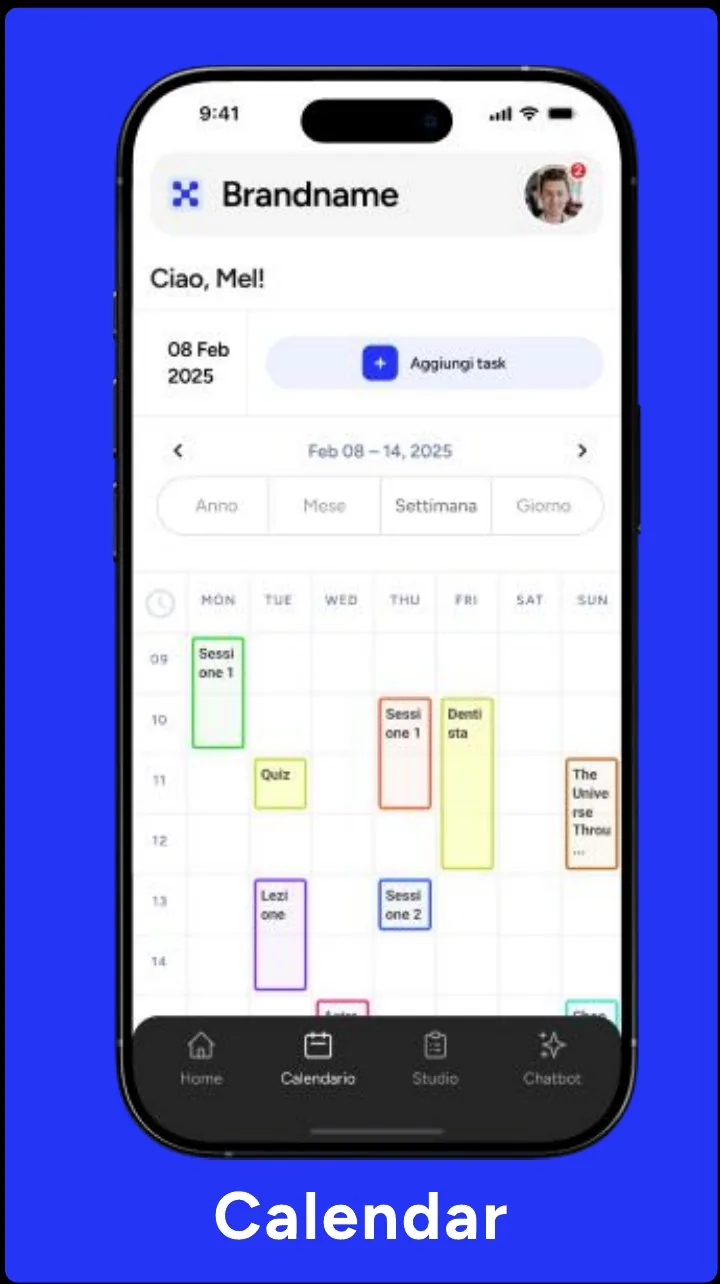
Calendar, sessions, onboarding and customisation, the Pomodoro timer, then the dashboard with spaced repetition, flashcards and quizzes.
MemorAIz is an AI startup: for B2B clients, it designs AI-powered learning experiences to plug into their own products; for B2C, it builds ad hoc learning experiences of its own — like the ed-tech product this case study is about.
It transforms the content people study from, such as video, handwriting, audio, complex documents and books, into mind maps, summaries, quizzes, audio summaries, audiobooks, key points and flashcards.
Co-design is part of how the team works with its B2B clients: for H-FARM College, for example, we ran a workshop to co-design a study tool directly with university students, testing and validating early concepts for an in-house AI tutor before building it out.
I lead its experience design and the design team, from the product strategy to the features of its core experiences.
Video, handwriting, audio, complex documents, books
Into mind maps, summaries, quizzes (true/false, open-ended, multiple choice), audio summaries, audiobooks, key points and flashcards.
Study program, reading or course
Dynamic organization by subjects and themes
Study and review sessions
Tutor chatbot
Adaptive gamification
Dynamic calendar with adaptive daily and monthly goals
Feature definition for the core experiences, from calendar and sessions to onboarding, timer, dashboard, flashcards and quizzes.
Hired and mentored a team of 3+ designers, 2024–2025.
Product strategy definition, roadmap and sprint planning.
Students from different university degree programs at H-FARM College took part. The goal: validate early concepts for an AI tutor we were developing in-house, by exploring them directly with students.
Using design thinking methods, we guided the group through key questions around adopting AI tools, how they fit into everyday study processes, and into ideating new, creative approaches to learning.
Many insights and reflections came out of it — a reminder of how important it is to involve students directly in shaping how they engage with the AI shift already reaching education, and useful validation for the AI tutor concepts we were exploring.
The strategy deck walks through context, competitors and differentiation, features and products, use cases, goals and next steps. Here, two pages from the features and products section.
Modes: focus, skills and learning, each mapped to single or multi user, online or offline.
The feature set: beyond the base features, a fully personalised and phygital experience.
Calendar, sessions, onboarding and customisation, the Pomodoro timer, then the dashboard with spaced repetition, flashcards and quizzes.